
Gastric Sleeve Surgery
Gastric sleeve surgery (sleeve gastrectomy) is the most commonly performed bariatric procedure in Australia and is an effective long-term treatment for obesity. It helps eligible patients achieve significant and sustained weight loss while improving obesity-related health conditions.
At BodyFree, gastric sleeve surgery is delivered as part of a comprehensive, structured bariatric program with personalised care before and after surgery.
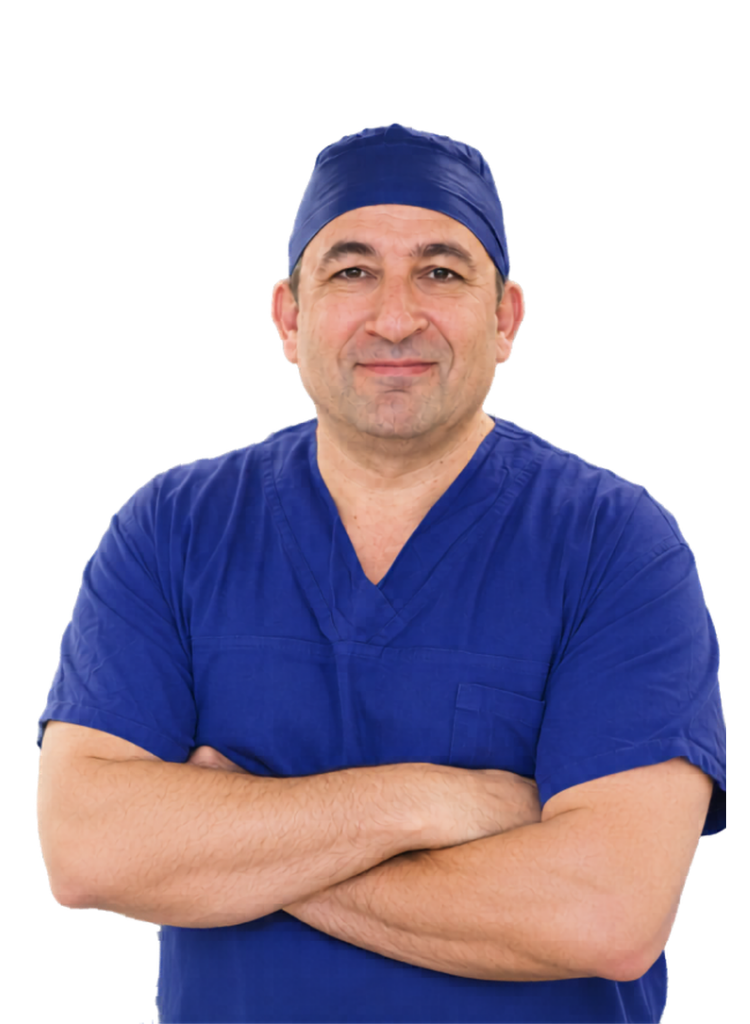
Our experienced bariatric team, led by specialist Bariatric Surgeon Dr David Joseph, has supported more than 7,000 patients through their weight loss surgery journey.
BodyFree offers fixed fee gastric sleeve surgery programs at leading private hospitals in Sydney for insured and uninsured patients. Eligible patients with private health insurance typically pay $6,580 after Medicare and health fund rebates for first-time Gastric Sleeve or Gastric Bypass surgery. Structured self-funded programs for uninsured patients are also available.
Gastric Sleeve Surgery at a Glance
Procedure: Laparoscopic Sleeve Gastrectomy
Surgery time: Approximately 60–90 minutes
Hospital stay: 1–2 nights
Weight loss: Many patients lose 50–60% of their excess body weight within 12–18 months, when combined with long-term dietary and lifestyle changes.
Mechanism: Restricts the amount of food you can eat and reduces hunger by lowering levels of the hunger hormone (ghrelin).
Eligibility: Patients with a BMI over 35 are eligible, or those with a BMI of 30–34 with obesity-related health conditions. Eligibility is confirmed following specialist assessment.
Suitability: Patients with significant reflux symptoms or gastro-oesophageal reflux disease (GORD) may not be suitable for gastric sleeve surgery and may be better suited to gastric bypass surgery.
Considering gastric sleeve surgery? Call BodyFree on 02 9565 5505 to discuss your options or schedule a consultation.
About Gastric Sleeve Surgery
What is Gastric Sleeve Surgery?
Gastric sleeve surgery is the most commonly performed bariatric procedure for the treatment of obesity and one of the most effective long-term treatments for significant weight loss. Many patients seeking gastric sleeve surgery in Sydney choose this procedure because it provides an excellent balance of long-term weight loss, improved health and quality of life.
Gastric Sleeve Effectiveness
Gastric sleeve surgery is a highly effective option for long-term weight loss and improvement of obesity-related health conditions. While it is the most commonly performed bariatric procedure, gastric bypass or revision bariatric surgery may be more appropriate for some patients depending on their medical history, reflux symptoms and weight loss goals.
Patients with a BMI of 35 or above are eligible for gastric sleeve surgery. Patients with a BMI between 30 and 34 may also be eligible if they have obesity-related health conditions, following specialist assessment. You can use our BMI calculator to determine your BMI before arranging a consultation.
Every patient at BodyFree undergoes a comprehensive assessment with Specialist Bariatric Surgeon Dr David Joseph to determine the safest and most appropriate procedure based on their BMI, medical history, existing health conditions and long-term health goals.
Gastric Sleeve Surgery Benefits
- Excellent long-term weight loss
- Reduced hunger through decreased production of the hunger hormone (ghrelin).
- Can significantly improve obesity-related conditions including Type 2 diabetes, high blood pressure and obstructive sleep apnoea.
- Minimally invasive (keyhole) surgery with a short hospital stay and faster recovery.
- Does not involve intestinal bypass, reducing the risk of nutritional deficiencies compared with gastric bypass.
- Patients can return to a varied, healthy diet after recovery.
Is Gastric Sleeve Right for You?
- Gastric sleeve surgery is a permanent weight loss procedure designed to support long-term results.
- Long-term success is supported by healthy eating habits, regular follow-up and recommended vitamin supplementation.
- A small number of patients may develop vitamin B12 or iron deficiency over time, which can be monitored and managed with blood tests and supplementation.
- For patients with significant reflux, gastric bypass may sometimes provide a better long-term outcome.
- During your consultation, Dr David Joseph will explain the benefits, risks and expected recovery so you can make an informed decision.

Gastric Sleeve vs Gastric Bypass
Gastric sleeve and gastric bypass are two of the most effective surgical options for long-term weight loss, but they work in different ways and may be recommended for different patients.
Gastric sleeve surgery (sleeve gastrectomy) involves removing approximately 75–80% of the stomach, leaving a narrow sleeve-shaped stomach. This smaller stomach restricts how much food can be eaten and also reduces the production of hunger hormones such as ghrelin, helping patients feel full sooner and eat less.
Gastric bypass surgery, including Single Loop Gastric Bypass and Roux-en-Y gastric bypass, works by creating a small stomach pouch and rerouting part of the small intestine. This not only limits food intake but also changes food is absorbed by the body.
Both procedures can produce significant and sustained weight loss and may improve obesity-related conditions such as Type 2 diabetes, high blood pressure, and sleep apnoea. Gastric sleeve surgery is often considered a simpler procedure, while gastric bypass may be recommended for patients with severe reflux, diabetes, or those requiring greater metabolic effects.
The most appropriate procedure depends on your medical history, BMI, existing health conditions, lifestyle, weight loss goals, and individual health factors. A specialist bariatric consultation with Specialist Bariatric Surgeon Dr David Joseph can help determine whether gastric sleeve or gastric bypass surgery is the best option for you.
Patients exploring bariatric procedures often compare gastric sleeve with other options such as Single Loop Gastric Bypass and Roux-en-Y Gastric Bypass surgery. Learn more about the different types of weight loss surgery procedures available.
common Gastric Sleeve questions
Gastric Sleeve Weight Loss Surgery FAQs
Why choose Gastric Sleeve surgery?
If you have attempted diet, exercise and other non-surgical weight loss methods without achieving long-term success, gastric sleeve surgery may be an effective treatment option.
Gastric sleeve surgery is the most commonly performed bariatric procedure worldwide and has helped thousands of people achieve significant, sustained weight loss. It is performed laparoscopically (keyhole surgery) and is recognised as a safe and effective treatment for obesity when combined with lifelong lifestyle changes and specialist follow-up.
Gastric sleeve surgery results in the stomach being reduced in size. This limits the amount of food that can be eaten at one time and helps patients feel full sooner. The procedure also removes the fundus, the upper part of the stomach responsible for producing much of the hunger hormone ghrelin.
With reduced production of hunger hormones such as ghrelin, patients typically experience reduced hunger, making it easier to eat smaller portions and maintain long-term weight loss.
How much weight will I lose with a Gastric Sleeve?
Most patients will lose between 25–35% of their starting body weight following Gastric Sleeve Surgery. However, it is important to understand that gastric sleeve surgery is a tool to support long-term weight loss, and individual results will vary from person to person.
While you will begin to lose weight soon after gastric sleeve surgery, weight loss occurs gradually over time. Most patients achieve their greatest weight loss during the first 6–12 months, with the overall weight loss journey typically continuing for 12–18 months.
Your individual weight loss will depend on a variety of factors, including your starting weight, body mass index (BMI), age, gender, commitment to healthy eating and physical activity, and overall health. During your consultation with Specialist Bariatric Surgeon Dr David Joseph, you’ll receive personalised guidance about the weight loss outcomes you can realistically expect following surgery.
Is Gastric Sleeve Surgery Permanent?
Yes. The effects of gastric sleeve surgery are permanent because approximately 75–80% of the stomach is permanently removed during the procedure. The remaining stomach is reshaped into a narrow sleeve, reducing the amount of food that can be eaten and helping patients feel full sooner.
Although the remaining stomach can stretch slightly over time, it does not return to its original size. Long-term success depends on maintaining healthy eating habits, regular physical activity and attending regular follow-up appointments.
Gastric sleeve surgery is recognised as an effective long-term treatment for obesity and can help eligible patients achieve and maintain significant weight loss while improving obesity-related health conditions and quality of life.
How do you qualify for Gastric Sleeve surgery?
Suitability for gastric sleeve surgery is determined by your Body Mass Index (BMI), overall health and any obesity-related medical conditions.
Patients with a BMI of 35 or above are eligible for gastric sleeve surgery. Patients with a BMI of 30–34 may also be eligible, depending on their weight loss history, previous weight loss attempts and the presence of obesity-related health conditions.
During your consultation, Specialist Bariatric Surgeon Dr David Joseph will assess your individual circumstances, including conditions such as Type 2 diabetes, PCOS, obstructive sleep apnoea, arthritis, joint problems and fertility concerns, to determine whether gastric sleeve surgery is the most appropriate treatment for you.
If you would like to discuss your suitability for surgery, contact the BodyFree team on (02) 9565 5505 to arrange a confidential consultation or speak with our team.
What is Gastric Sleeve Pre-Operative Care?
Preparing for gastric sleeve surgery is an important part of achieving a safe operation and a successful recovery.
All patients are required to follow an Optifast-based very low calorie diet (VLCD) for approximately 2–3 weeks before surgery. Your BodyFree dietitian will provide detailed instructions and tailor the program to your individual needs.
The purpose of the pre-operative diet is to reduce the size of the liver by decreasing the amount of fat stored within it. This makes surgery safer by improving access to the stomach during the procedure and reducing the risk of complications.
During this period, patients follow a carefully structured diet that excludes carbohydrates, sugary foods, fruit and fruit juice. Many patients also lose 5–10% of their body weight before surgery, which may contribute to a safer operation and smoother recovery.
Medication
Most medications can be continued until the day of surgery and will be recommenced after surgery under the direction of your treating team.
Some medications, including blood thinners and anti-platelet medications, need to be stopped before surgery. The timing varies depending on the medication, and Dr David Joseph and the BodyFree team will provide personalised instructions before your procedure.
Fish oil supplements should be stopped at least 14 days before surgery.
What is Gastric Sleeve Post-Operative Care?
Recovery after gastric sleeve surgery is supported by Dr David Joseph and the BodyFree multidisciplinary team, with structured follow-up designed to help you recover safely and achieve the best possible long-term weight loss results.
Wound Care
The small keyhole incisions are closed with dissolving stitches placed beneath the skin, so they do not need to be removed. We also use tissue glue or Steri-Strips®, together with waterproof dressings, to protect the wounds while they heal.
Patients can shower with the dressings in place and should gently pat them dry afterwards. Dressings are usually removed approximately 10 days after surgery, by which time the incisions have normally healed well.
Pain Management
Most patients experience only mild to moderate discomfort following gastric sleeve surgery, with symptoms continuing to improve over the first few days after surgery. If required, simple pain relief or prescription medication will be provided to keep you comfortable during your recovery.
Medications
Most routine medications can be recommenced after surgery as directed by your treating team. If you normally take blood-thinning medication, you will receive personalised instructions about when it should be restarted.
Many patients are also prescribed a proton pump inhibitor (PPI), such as Nexium®, Somac® or Losec®, for a period after surgery to reduce stomach acid, support healing and help minimise reflux symptoms during recovery.
Follow-Up Care
Long-term success after gastric sleeve surgery depends on more than the operation itself. BodyFree’s structured follow-up program includes ongoing support from Dr David Joseph, your bariatric dietitian and the multidisciplinary team, helping you progress safely through each stage of recovery while establishing healthy eating habits and long-term lifestyle changes.
What is Gastric Sleeve Post-Operative Diet?
Following gastric sleeve surgery, your diet progresses gradually to allow your stomach to heal while ensuring you receive adequate nutrition and hydration. Your BodyFree bariatric dietitian will guide you through each stage of your recovery with personalised dietary advice and ongoing support.
While every patient’s recovery is different, the typical post-operative diet includes:
- Week 1: Liquid diet
- Weeks 2–4: Pureed diet
- From Week 4: Gradual introduction of soft foods, followed by a return to a healthy, balanced diet as advised by your dietitian.
Successful long-term weight loss following gastric sleeve surgery depends on more than the operation itself. Developing healthy eating habits, appropriate portion control and regular follow-up with your BodyFree bariatric dietitian are all essential for achieving the best long-term results.
For more detailed dietary guidance, your BodyFree bariatric dietitian will provide a comprehensive nutrition plan tailored to your individual needs before and after surgery.
What is Gastric Sleeve recovery time?
Most patients spend 1–2 nights in hospital following gastric sleeve surgery and, depending on the type of work they do, typically require 7–14 days away from work.
Light activities such as walking are encouraged from the day of surgery and can usually be increased gradually over the following days. Most patients can resume more vigorous exercise after approximately 3–4 weeks, once approved by Dr David Joseph.
Although recovery times vary, many patients are able to return to their normal daily routine within 2–4 weeks, while continuing to recover and adapt to their new eating habits over the following months.
Your recovery will be closely supported by Dr David Joseph and the BodyFree multidisciplinary team, who will provide personalised advice throughout your recovery and long-term weight loss journey.
What are the long-term health benefits of Gastric Sleeve Surgery?
Gastric sleeve surgery can provide significant long-term health benefits beyond weight loss. For many patients, sustained weight loss is associated with improvements in obesity-related health conditions, including Type 2 diabetes, high blood pressure, obstructive sleep apnoea and joint pain.
For patients living with Type 2 diabetes, gastric sleeve surgery may improve blood sugar control and, in some cases, lead to remission when combined with healthy lifestyle changes and ongoing medical care.
Obesity is associated with an increased risk of serious health conditions, including heart disease, stroke and certain cancers. By achieving and maintaining significant weight loss, gastric sleeve surgery can help reduce these health risks and improve overall health, mobility and quality of life.
During your consultation, Specialist Bariatric Surgeon Dr David Joseph will discuss the potential health benefits of gastric sleeve surgery based on your individual medical history and treatment goals.
How much does a Gastric Sleeve cost?
The cost of gastric sleeve surgery depends on whether you have private health insurance or are self-funding your treatment.
Patients with eligible private health insurance typically pay $6,580 after Medicare and health fund rebates for first-time Gastric Sleeve or Gastric Bypass surgery. BodyFree’s fixed-fee bariatric surgery program includes your surgery, pre-operative preparation and comprehensive long-term follow-up, so there are no unexpected surgeon fees.
If you have Medicare but no private health insurance, BodyFree also offers fixed-fee self-funded gastric sleeve and gastric bypass surgery programs.
To check whether your private health insurance covers gastric sleeve surgery, ask your health fund about Medicare item number 31575 and whether any hospital excess or co-payment applies under your policy.
For a detailed breakdown of costs, view our BodyFree’s Weight Loss Surgery pricing page or contact the BodyFree team for a personalised quote.
What other Weight Loss Surgery procedures are available?
If you are considering gastric sleeve surgery, it is helpful to understand how it compares with other weight loss surgery procedures. Several bariatric procedures are available, and each works in a different way to support long-term weight loss and improvement of obesity-related health conditions.
- Gastric Sleeve Surgery – reduces the size of the stomach to limit food intake and reduce production of the hunger hormone ghrelin.
- Single Loop Gastric Bypass – combines stomach restriction with intestinal bypass to reduce calorie absorption and produce greater metabolic effects.
- Roux-en-Y Gastric Bypass – a traditional gastric bypass procedure that changes digestion to promote weight loss and improve obesity-related health conditions.
- Revision Bariatric Surgery – may be recommended if previous weight loss surgery requires correction, revision or conversion to another bariatric procedure.
Specialist Bariatric Surgeon Dr David Joseph will recommend the most appropriate procedure after assessing your BMI, medical history, existing health conditions and long-term weight loss goals.
Learn more about your weight loss surgery options and discover which procedure may be the most suitable for you.
Considering Gastric Sleeve Surgery?
If you are considering gastric sleeve surgery in Sydney, our experienced bariatric team led by Dr David Joseph, provides personalised assessment and treatment options tailored to your individual health needs.
Your Bariatric Surgeon
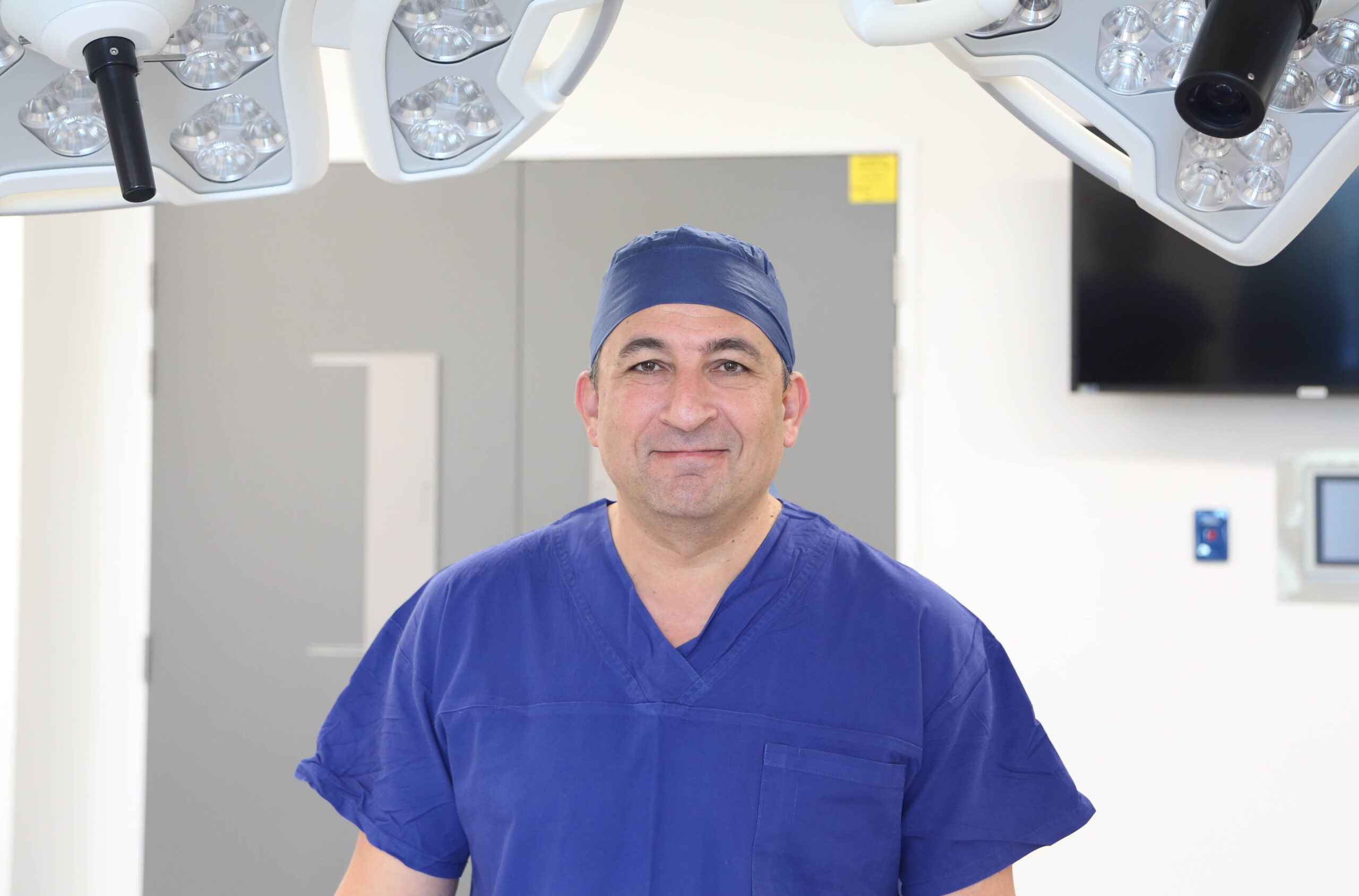
Dr David Joseph is an experienced bariatric surgeon providing gastric sleeve surgery in Sydney. He specialises in weight loss surgery including gastric sleeve, gastric bypass and revision bariatric surgery.
Dr Joseph works with a multidisciplinary bariatric team including experienced dietitians and support specialists to help patients achieve safe and sustainable long-term weight loss.
Learn more about Single Loop Gstric Bypass surgery, Roux-en-Y Gastric Bypass and revision bariatric surgery in Sydney.
In addition to Bariatric Surgery, Dr David Joseph also performs upper gastrointestinal, hepatobiliary and general surgical procedures including gallbladder removal, hernia repair and liver surgery